Our education programs are designed to give creatives, real, marketable skills, opening pathways to careers in the creative industries while rooting participants in a supportive, structured community.
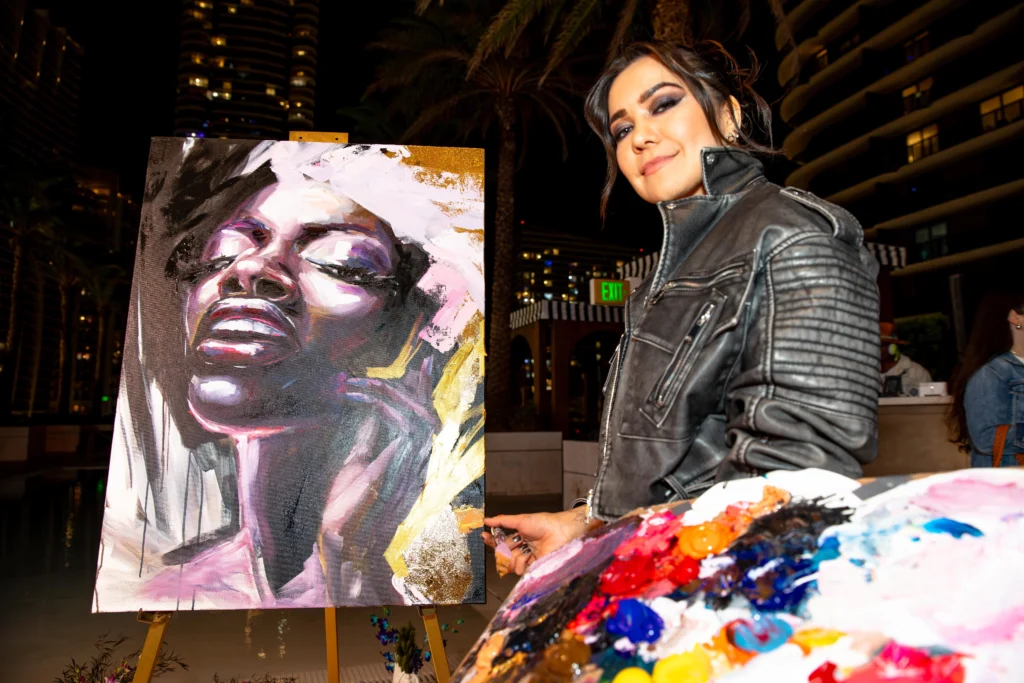
Our art therapy programs operate in cities across the globe, reaching individuals who carry the weight of trauma, loss, and mental health challenges. We believe that creativity is one of the most powerful pathways to recovery.
Certified therapeutic facilitators guide participants through personalized and group sessions, using visual art, music, writing, and movement to open doors that traditional therapy alone cannot.
“After losing her parents, Ada struggled with unbearable grief and isolation. When she joined the music therapy program, she found her voice again, both literally and figuratively. Writing songs became her way of processing her pain. Today, Ada not only sings her story but inspires others to find hope through creative expression.”
“David, a former soldier, carried deep emotional scars from years of conflict. Through painting classes, he learned to express his struggles on canvas. His artwork transformed from dark, chaotic strokes to vibrant and hopeful images — mirroring his healing journey. David now mentors others, showing how art can bring light to even the darkest times.”
Our education programs are designed to give artists real, marketable skills, opening pathways to careers in the creative industries while rooting participants in a supportive, structured community.
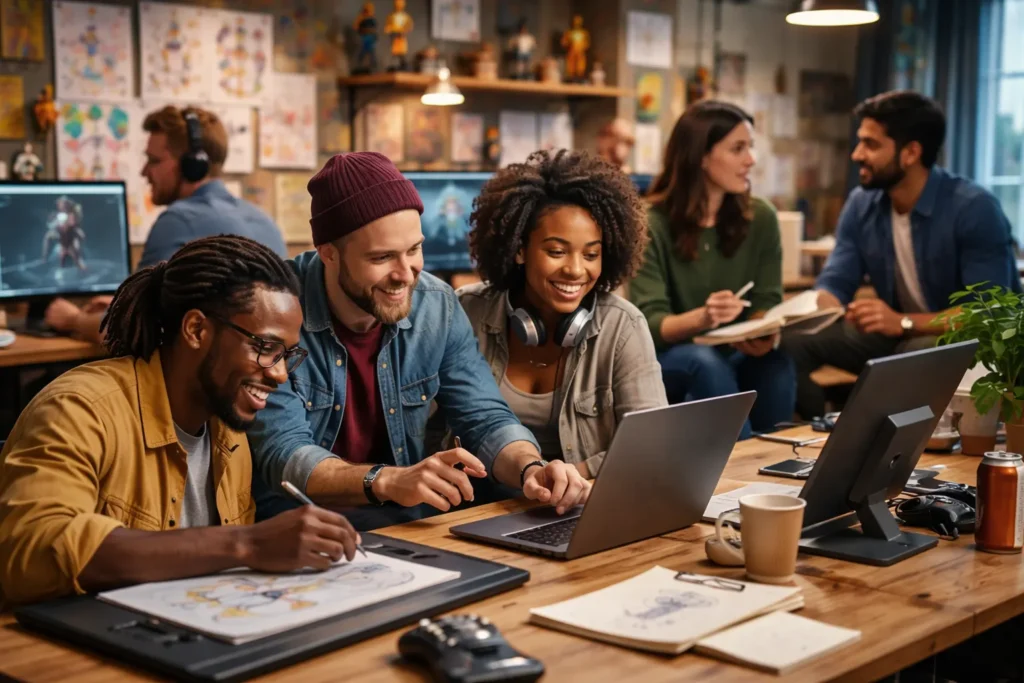
Hands-on workshops covering 2D and 3D animation, motion design, and digital storytelling. Participants work on real projects with professional-grade tools and mentorship.
From concept to build, participants learn the fundamentals of game design, programming logic, and interactive storytelling — skills increasingly valued in both tech and creative industries.
Creative writing, screenwriting, and narrative development programs that help artists find their voice, tell their stories, and build professional writing portfolios.
USMI maintains dedicated education programs designed specifically for children in foster care and group homes. We understand that these young people face unique barriers — and we believe creative education is one of the most powerful tools for building resilience, identity, and hope.
These programs provide structured mentorship, dedicated facilitators, and a safe space for young artists to explore, create, and grow. Participation is provided at no cost to participants or their families.
USMI operates a residency-based platform designed to address the four core needs that prevent creatives from reaching their full potential.
Stable, below-market residences for program participants — because creativity requires stability, and stability requires a home.
Production-ready workspaces for music, visual arts, and media — fully equipped facilities that remove the financial barrier to professional-grade work.
Mentorship, education, and professional pathway programs that help artists build sustainable careers, not just one-off projects.
Shared resources, events, and collaborative opportunities that connect artists with each other, with industry, and with the communities they serve.
$10,000 funds a full year-long art therapy program for 20 individuals. Your $50 donation provides one art therapy session for a child in foster care.
Certified therapeutic facilitators guide participants through visual art, music, writing, and movement therapy. Sessions are available one-on-one and in groups, with specialized support for veterans, trauma survivors, and youth in foster care.
Yes. All art therapy programs are provided at no cost to participants and their families, funded through donations, sponsorships, and the USMI Legacy Fund.
Yes. USMI maintains dedicated education and therapy programs for children in foster care and group homes, with structured mentorship, dedicated facilitators, and a safe creative space — all at no cost.
You can apply by visiting unisac.org/contact and submitting an inquiry. USMI accepts participants for art therapy, creative education, and residency programs.
The Residency Model provides subsidized housing, professional production-ready studios, structured mentorship, and community infrastructure so artists can stabilize, grow, and thrive long-term.